Village Immersion
Live with Lote hosts, learn traditional skills, and experience authentic community life.
Arrange a StayAuthentic Cultural Experiences
Sleep in a village homestay, eat traditional meals, learn from elders, and participate in daily community activities. This is slow travel at its finest - time to develop genuine relationships and deep cultural understanding.
Homestay Accommodations
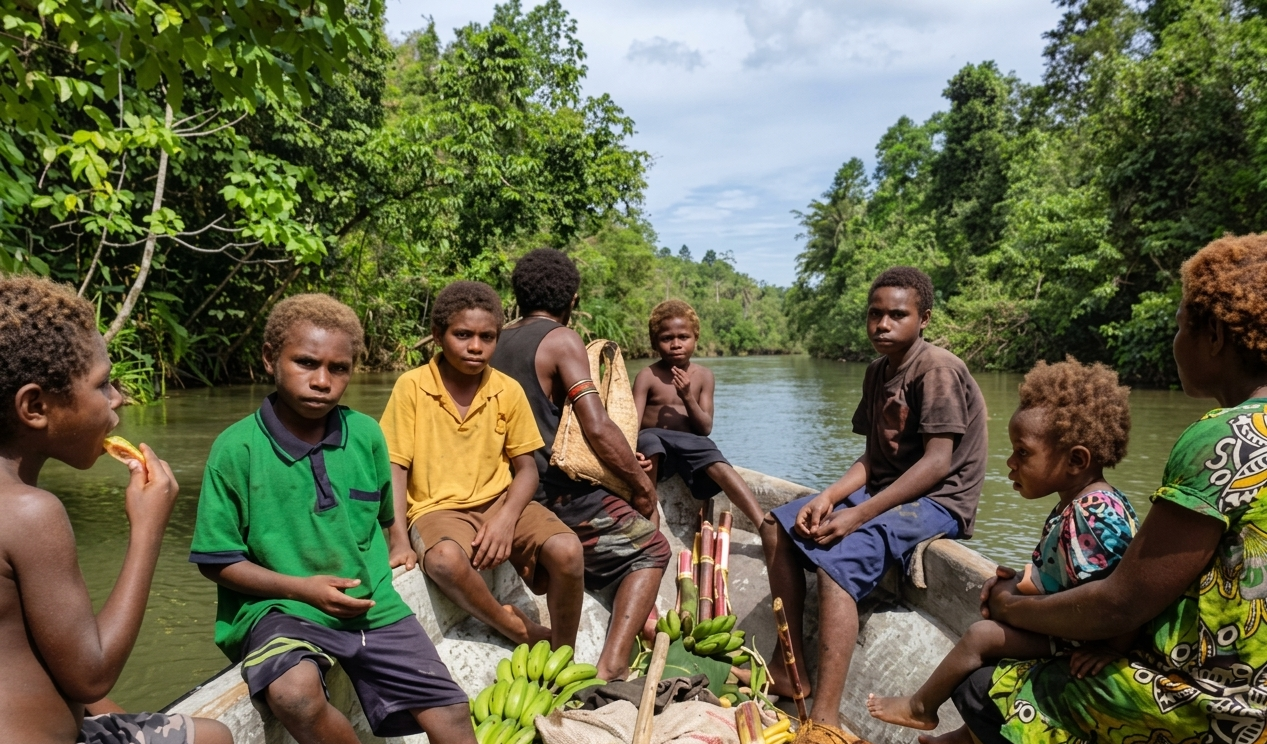
Rather than staying in a resort, village immersion programs place you with Lote family hosts in their homes. This arrangement provides authentic cultural exposure while directing maximum tourism benefit to community members.
What to Expect:
- Simple but Comfortable Lodging: Basic bedroom with bed and mosquito netting. Shared bathroom facilities. Traditional construction with natural ventilation.
- Home-Cooked Meals: Breakfast, lunch, and dinner featuring local ingredients and traditional recipes. Meals eaten with the host family when possible, creating natural conversation and relationship building.
- Daily Interaction: Time talking with hosts about their lives, children, community events, and perspectives. Learning through informal conversation rather than lectures.
- Family Inclusion: Participation in family activities - meal preparation, household tasks, childcare, and evening gatherings - provides insight into daily village life.
- WiFi/Technology: Limited internet connectivity. This is intentional - an opportunity to disconnect and be more present in the community.
Learn Traditional Skills
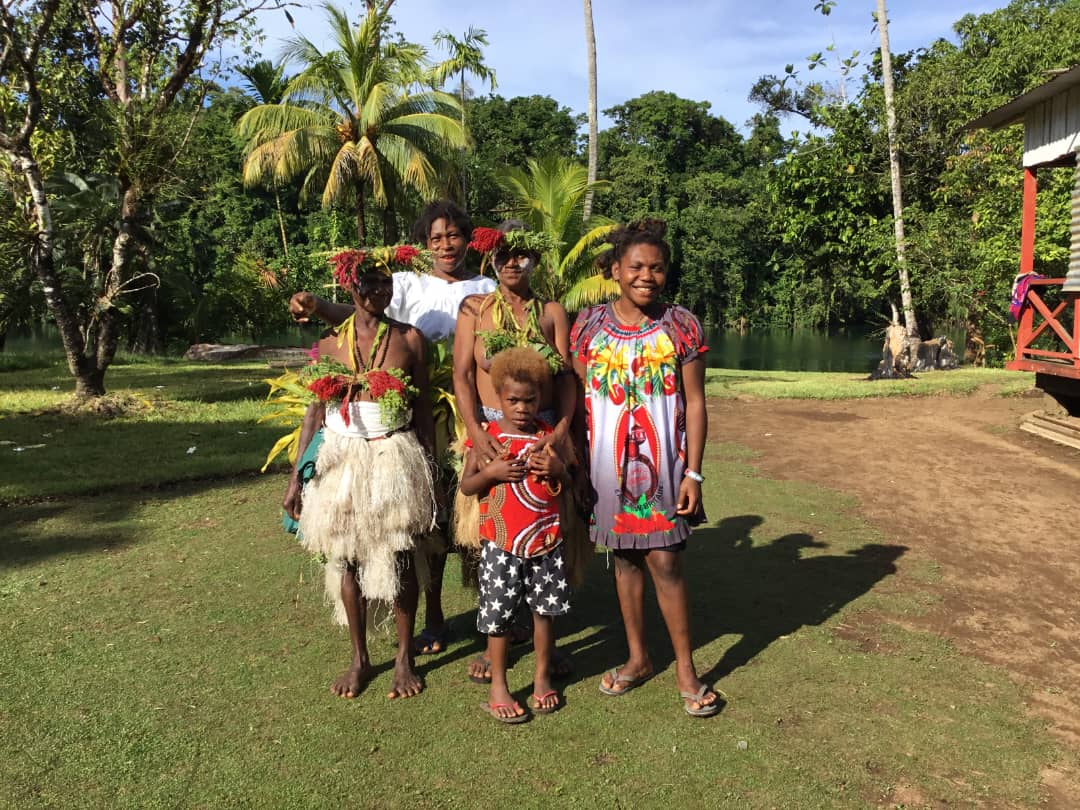
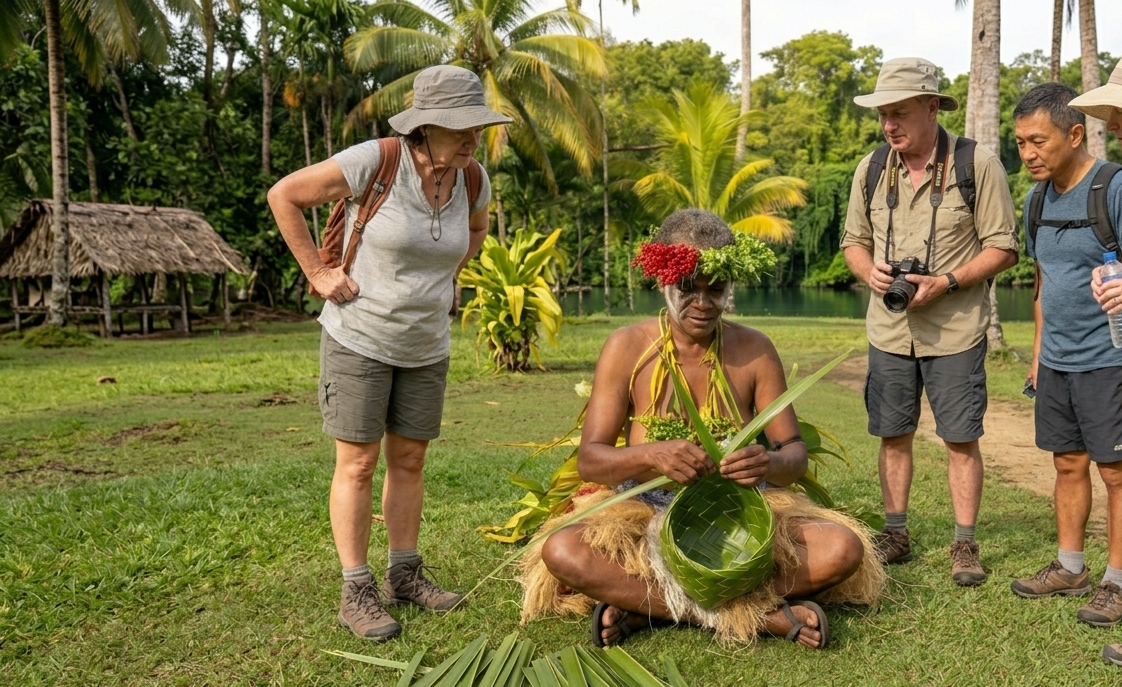
Hands-on learning opportunities with skilled artisans and knowledge holders in the host community. These activities connect you directly with living cultural traditions while supporting artisans economically.
Possible Skill-Building Experiences:
- Basket Weaving: Learn traditional techniques for creating decorative and functional baskets from naturally processed fibers
- Woodcarving: Observe or participate in carving wooden implements and decorative objects using hand tools
- Cooking Traditional Foods: Prepare meals using traditional methods - processing sago, cooking in earth ovens, and smoking fish
- Fishing Techniques: Learn traditional fishing methods, trap construction, and reading river/ocean conditions
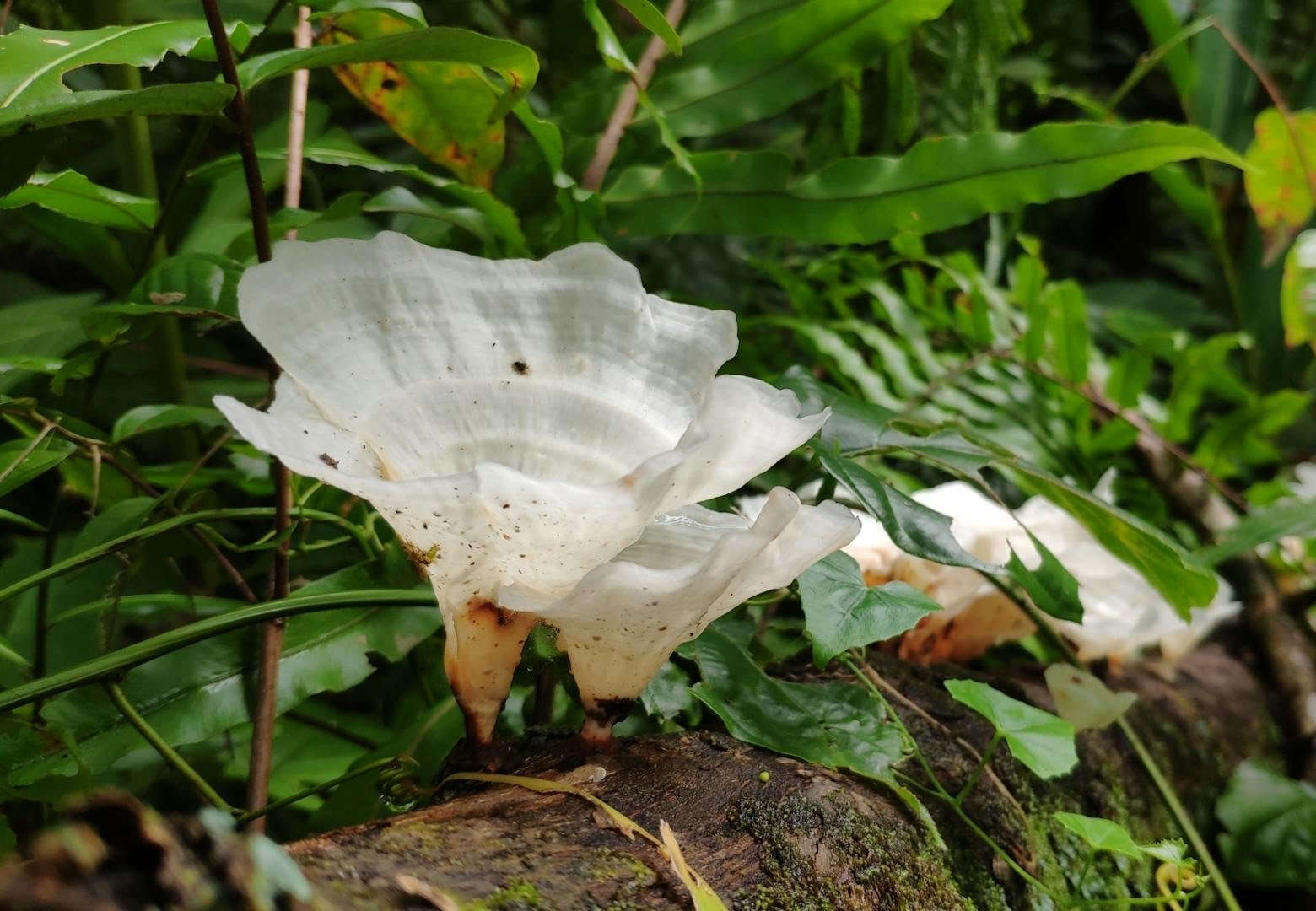
- Plant Identification: Forest walks identifying medicinal plants, food sources, and materials used traditionally
These are not performances - you're learning genuine practical skills that communities rely on. Progress depends on your interest level and community guide comfort with teaching.
Community Activities & Cultural Events
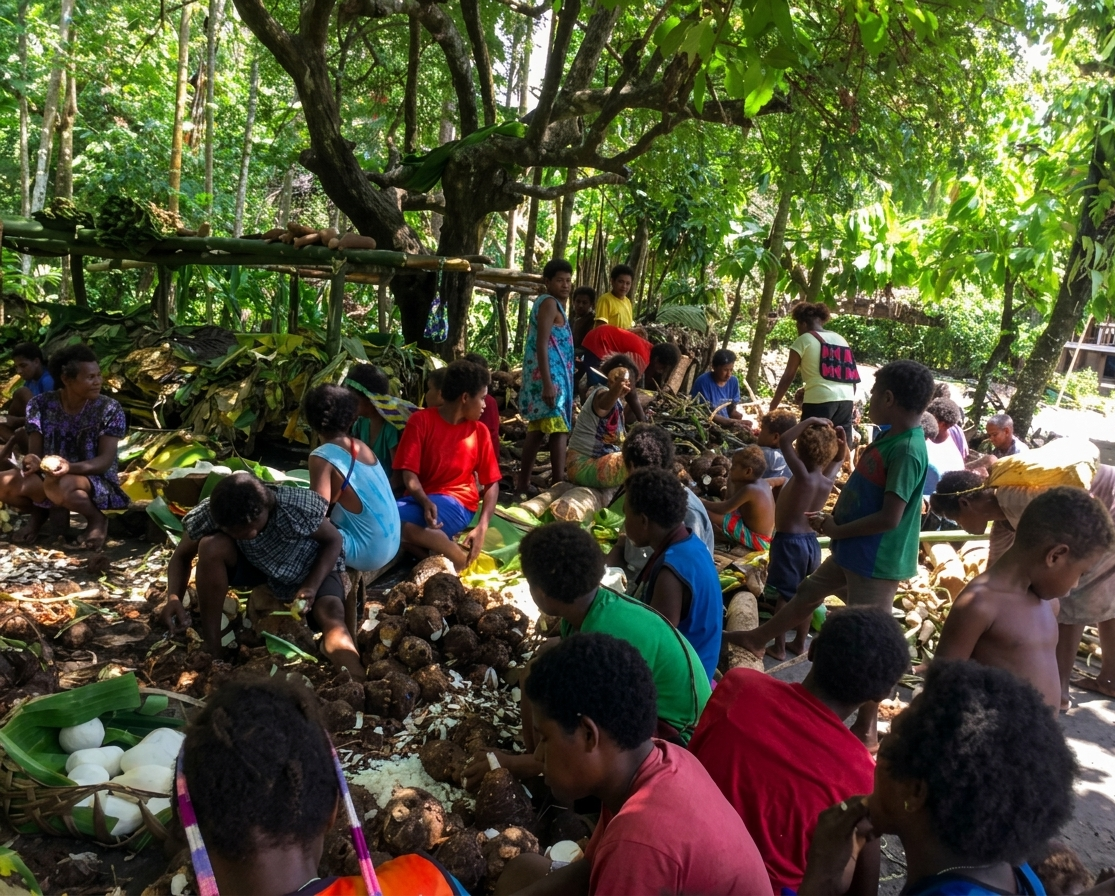
Immersion timing may coincide with community activities - fishing seasons, harvest celebrations, and ceremonies - providing rare insight into important cultural moments. Even routine activities reveal deep cultural values and practices.
Typical Village Experiences:
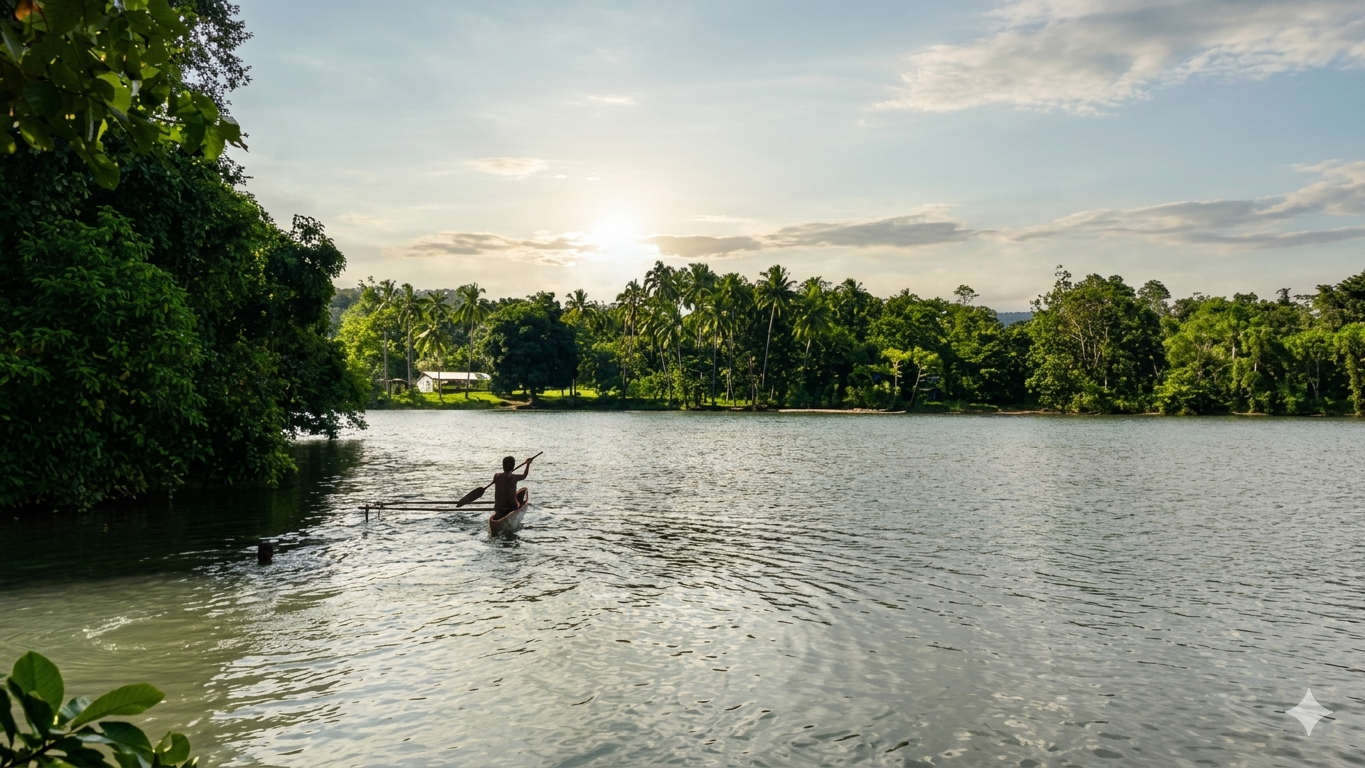
- Morning Fishing: Accompany fishermen to reefs, rivers, or ocean areas to observe traditional catch methods
- Garden Work: Help with tending gardens, harvesting crops, or preparing fields for planting
- Food Preparation: Participate in gathering firewood, cooking, food preservation, and meal preparation
- Evening Gatherings: Community meetings, storytelling, music, and social time when locals gather after work
- Children's Education: Volunteer to help with reading or English language practice with local children
The specific activities depend on season, community activities, and your interests and host family preferences. Flexibility and willingness to participate create the richest experiences.
Traditional Ecological Knowledge
Lote people possess detailed knowledge of their environment accumulated over generations. Through village immersion, you gain access to this sophisticated understanding of plants, animals, weather patterns, and sustainable resource management.
Knowledge Domains:
- Medicinal Plants: Which plants treat which ailments, preparation methods, and appropriate dosages
- Seasonal Patterns: How communities predict weather, plan activities, and respond to seasonal changes
- Wildlife Behavior: Animal movements, breeding patterns, and appropriate hunting seasons and methods
- Sustainable Harvest: How to take plants/animals without depleting populations or damaging ecosystems
- Forest Products: Materials for tools, shelter, clothing, and trade derived from specific forest plants
This knowledge is not written in books - it exists in practices, stories, conversations with elders, and learned experience. Village immersion provides direct access to this knowledge system.
Prepare for Your Immersion
Duration: Stays typically last 3-7 days, though longer stays are possible for deeper immersion.
What to Bring: Lightweight, conservative clothing (shorts and t-shirts acceptable during day, long pants and covered shoulders for evening and ceremonies). Minimal luggage. Sun protection. Any personal medications. Respectful attitude and genuine curiosity.
Language: English-speaking guides facilitate communication, but learning some Tok Pisin greetings greatly enhances interactions and is much appreciated by hosts.